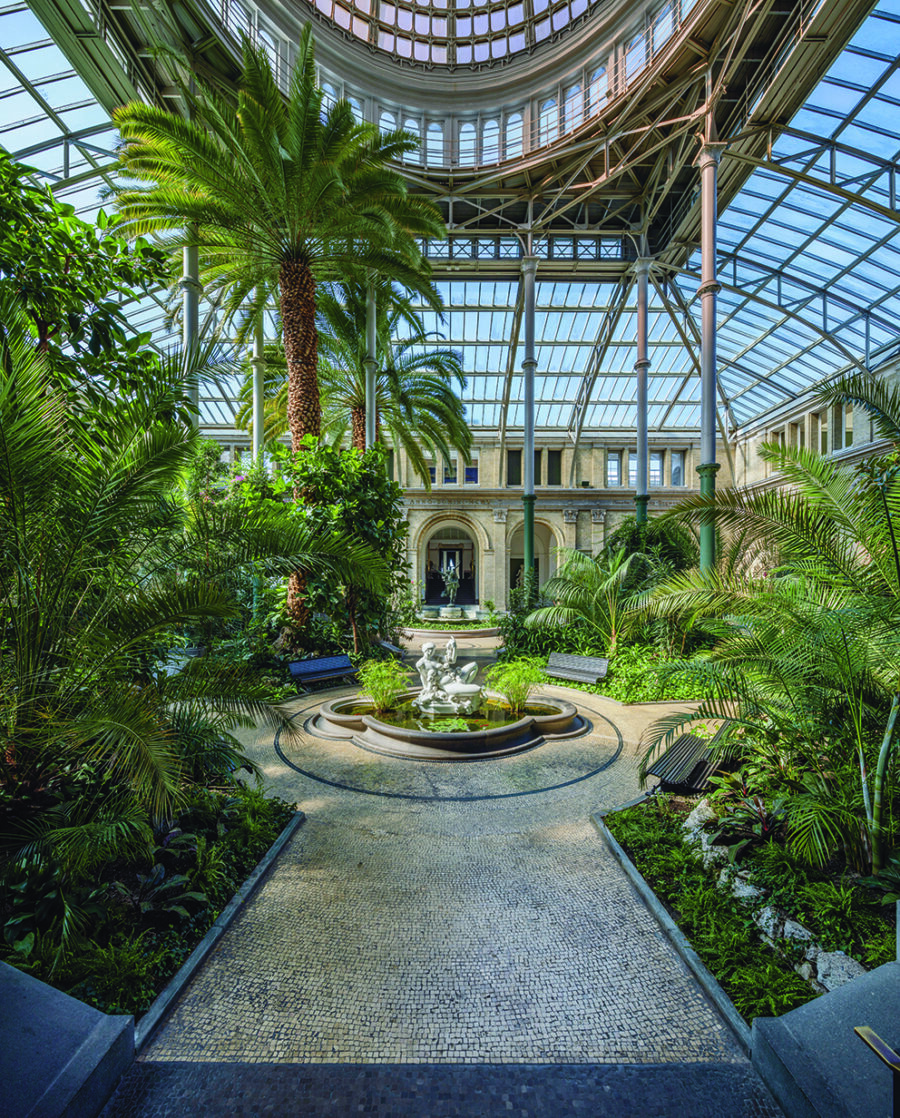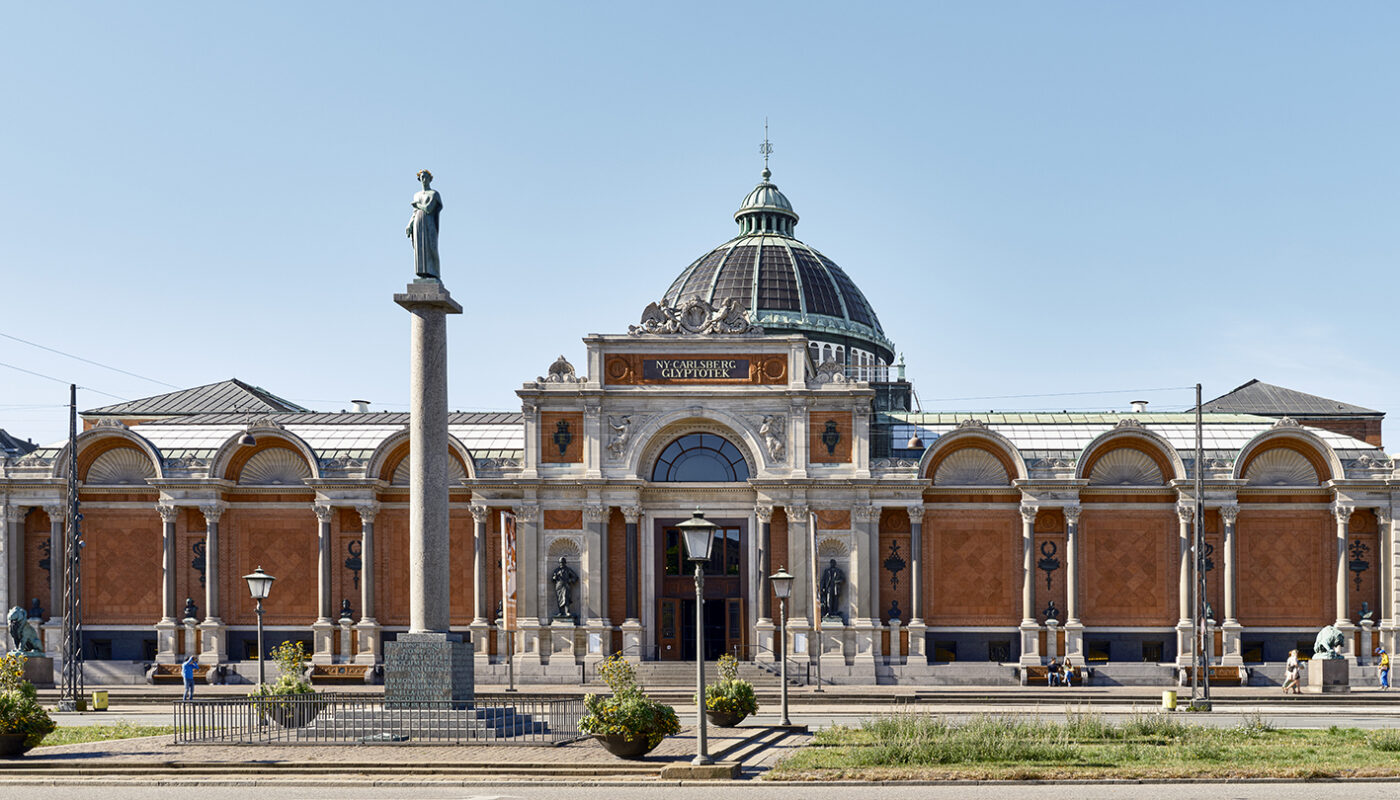
Elgaard Architecture is the Architectural Advisor for “The Glyptotek of the Future”
After several years of analyses and on-site investigations, we are immensely proud to finally announce that Elgaard Architecture is the architectural advisor to the Ny Carlsberg Glyptotek on the project The Glyptotek of the Future, one of the largest restoration projects in Danish museum history. Thanks to generous donations from the Carlsberg Foundation and the New Carlsberg Foundation, the project is now almost fully financed and can be realized.
The overall objective of the project is to preserve and future-proof the cultural institution founded by Carl Jacobsen with the ambition of making art accessible to everyone. In this spirit, the museum’s iconic buildings will be restored and reinterpreted so that the architectural framework for the artworks — and the conditions under which they are preserved and experienced — can be safeguarded and strengthened for future generations.
The project addresses the museum’s need for conservation, restoration and protection of both the buildings and the collections. It ranges from the restoration of mosaic floors and the conservation of historic surfaces to the introduction of fire compartmentation and the upgrading of climatic conditions. In this way, the project will reinforce the physical framework supporting the museum’s core activities: research, collection development and public engagement, including temporary exhibitions — while ensuring that the distinctive spirit and atmosphere of the museum remain intact for the future.
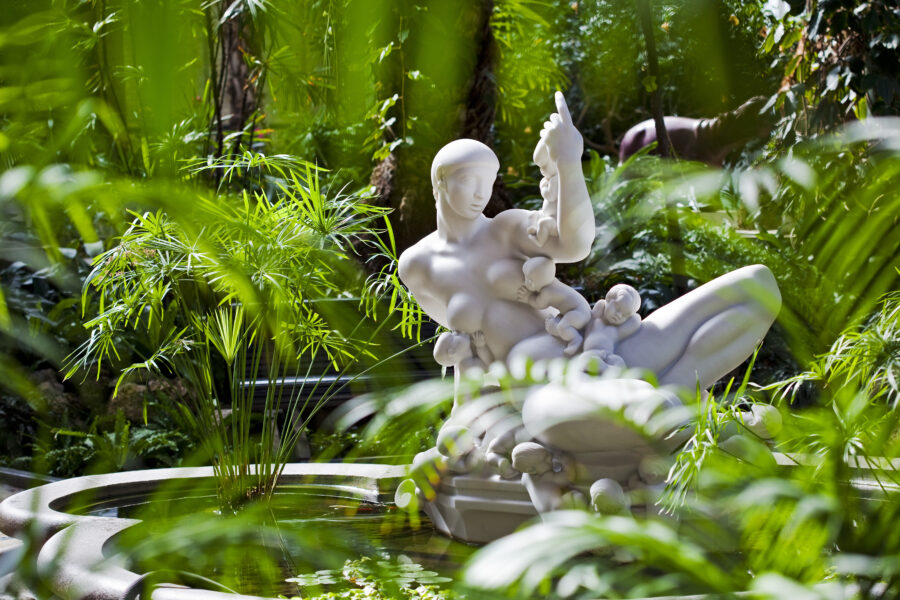
Future-proofing with Respect for History
Since opening in 1897, the Glyptotek has been a national landmark and a museum of international standing. It is a Gesamtkunstwerk and is widely regarded as a masterpiece in Danish architectural history. Although the museum has been expanded several times during its 129-year history, its buildings have never undergone a comprehensive restoration addressing the entire complex — its original qualities and its architectural evolution.
As a museum building, the Glyptotek belongs among the most significant European museum constructions of the late nineteenth century. Built to an exceptionally high standard, its restoration represents a complex and knowledge-intensive undertaking requiring strong interdisciplinary collaboration and highly specialised, tailor-made solutions — both in terms of conservation practice and technical systems.
Methodologically, the project must balance aesthetics, heritage protection, security and functional considerations. At the same time, it must respond to the museum’s role as an art institution, a public attraction and a workplace — both today and in the future.
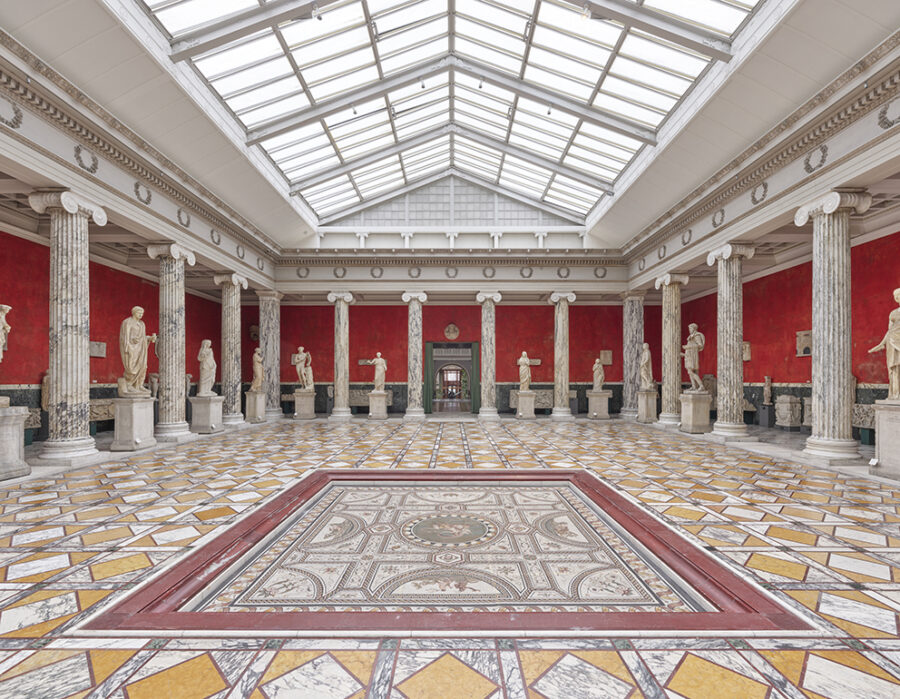
The project is founded on the principle that restoration and development must work with the buildings themselves, which are regarded as one of the museum’s most significant works of art. Flexibility and sustainability are therefore key guiding principles.
Achieving this has required close interdisciplinary collaboration between the museum’s professional leadership and the advisory team, which also includes Artelia Danmark and Molter Consult. The result is now a feasible project in which the buildings’ historical development, potential and suitability have been carefully mapped and evaluated, while requirements relating to indoor climate, security and visitor flow have been integrated into a synthesis of building-specific solutions and art-historical and museological considerations.
In this way, conservation expertise and strategic museum development go hand in hand.
We look forward to the continued process and to the future realisation of the project.
Fotocredits: Anders Sune Berg