

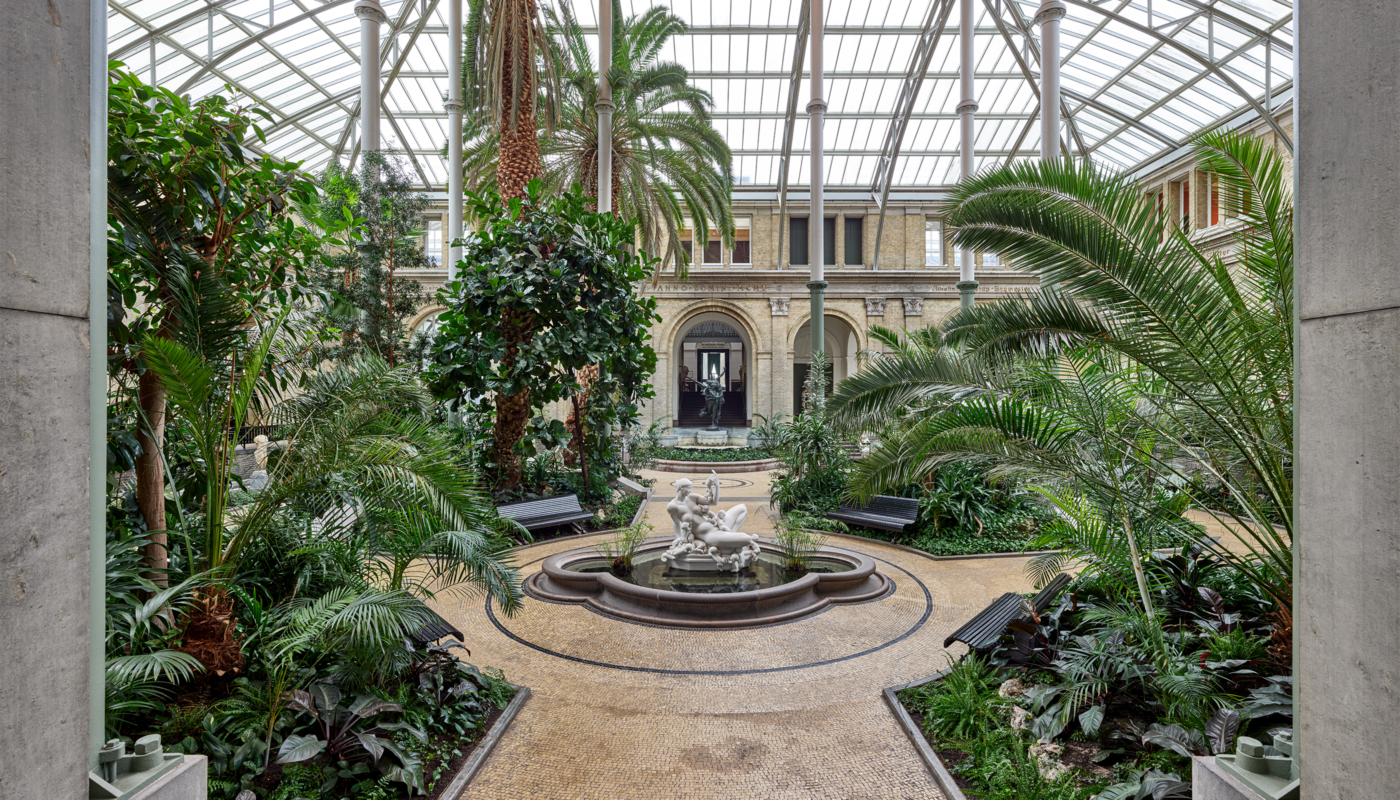
The Ny Carlsberg Glyptotek
Restoring a Cultural Heritage Landmark. From the end of 2028 and over a number of years, the Glyptotek will undergo a comprehensive restoration and technical upgrade to ensure the continued use and preservation of its buildings for generations to come.
Elgaard Architecture is the project’s conservation specialist, providing expertise throughout all phases and working as part of a highly specialised multidisciplinary team alongside Artelia and Molter Consult. To date, we have carried out building-historical studies, heritage assessments, developed a restoration strategy, and provided advice on the conservation and development of the listed and heritage-worthy buildings.
Year
2023 –
Theme
Restoration, Climate Resilience and Technical Upgrading
Client
The Glyptotek
Partners
Artelia, Molter Consult
Adresse
Dantes Plads 7, 1556 København V
A Museum Conceived as a Total Work of Art
Ny Carlsberg Glyptotek was founded by brewer Carl Jacobsen in 1897 as the physical manifestation of his vision of making art accessible to all. The museum was conceived as more than a collection of works of art; it was intended as an institution of cultural education, where architecture, art and the visitor experience would merge into a unified whole.
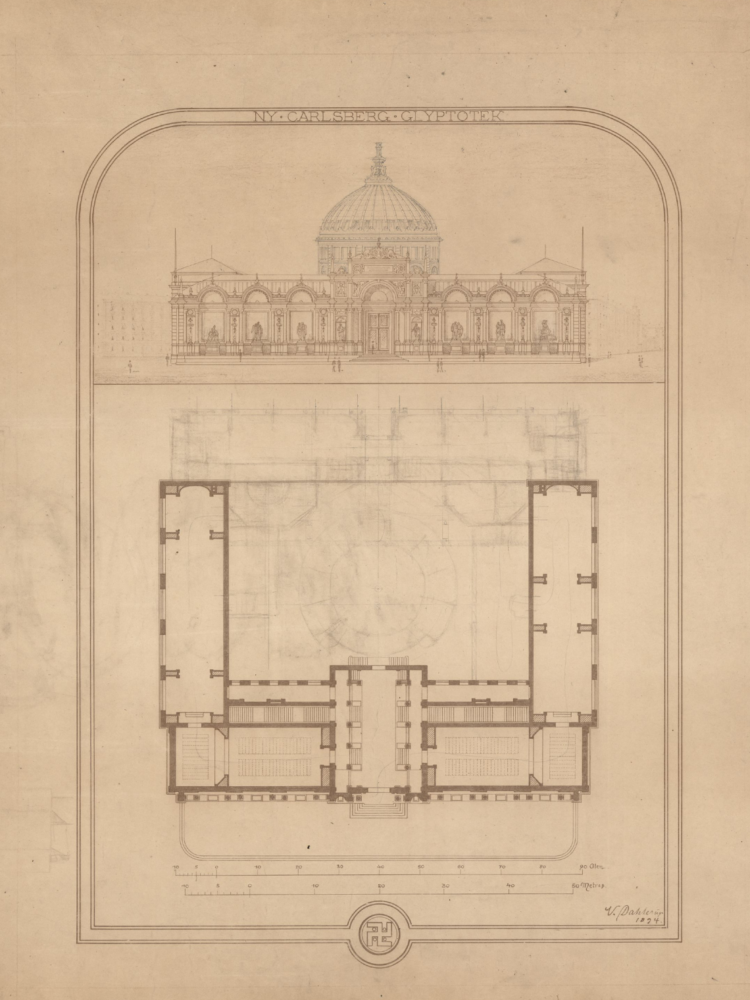
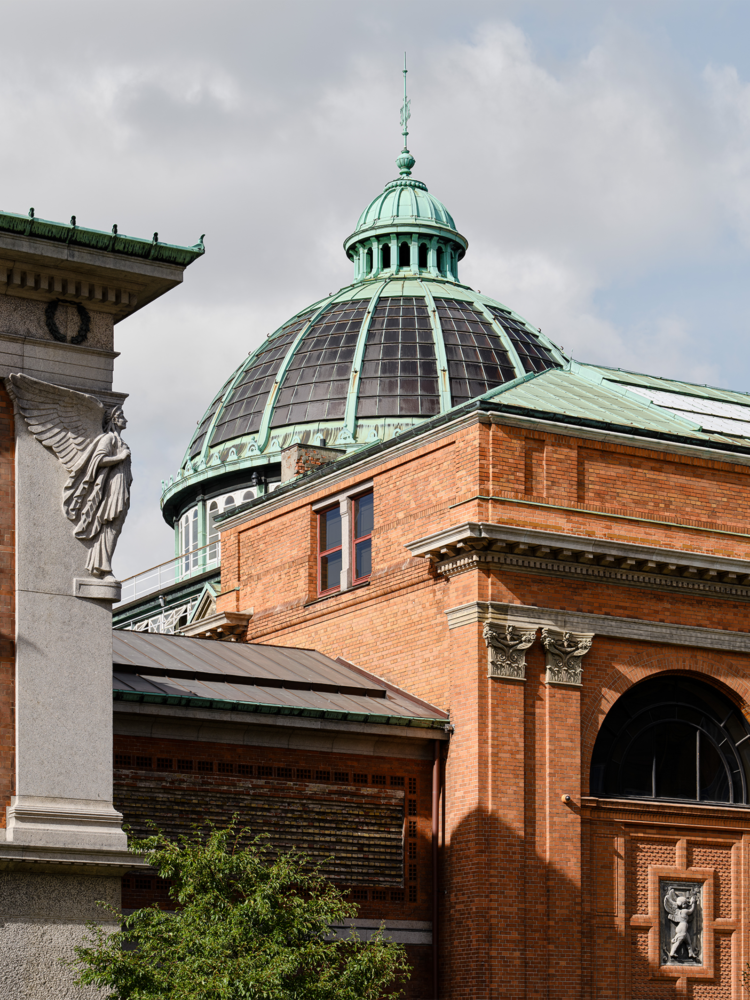
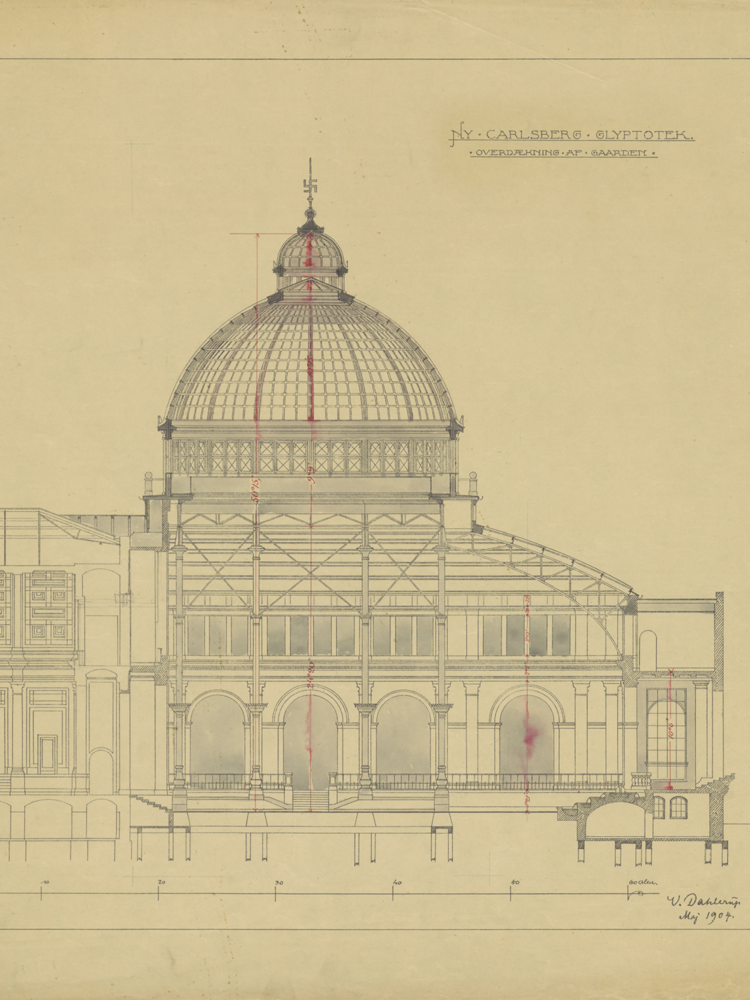
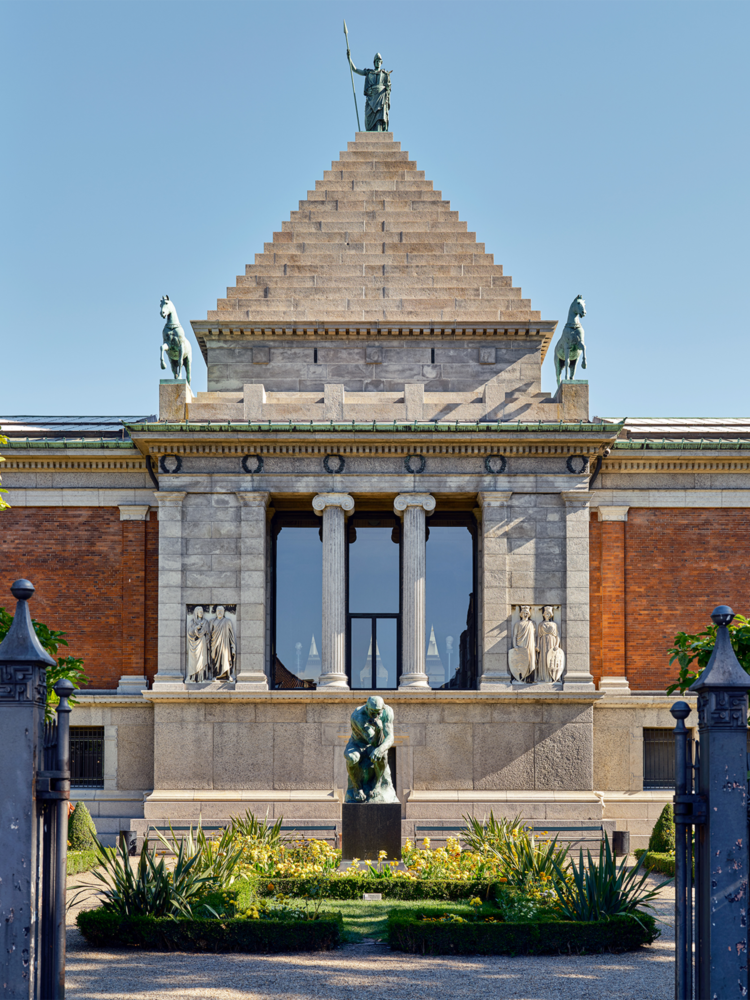
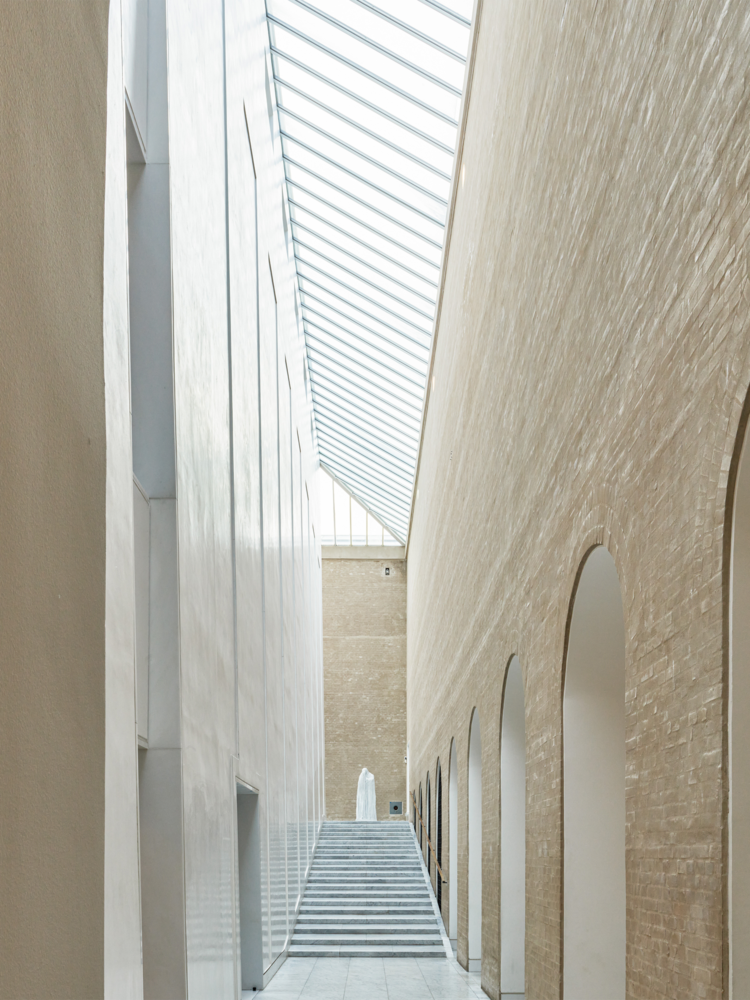
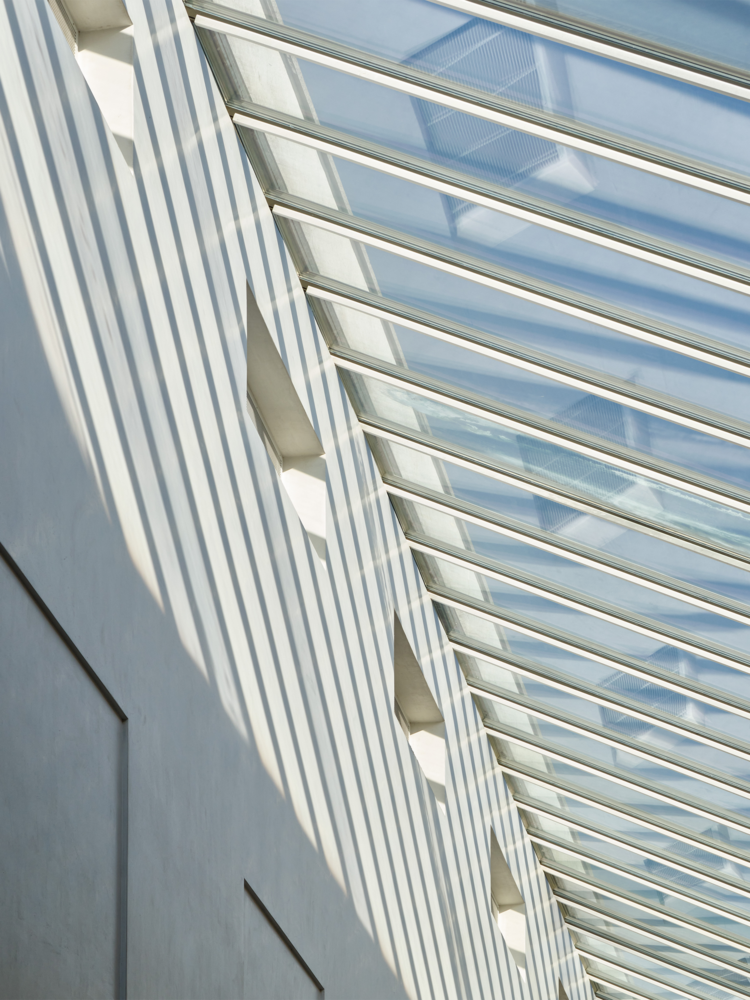
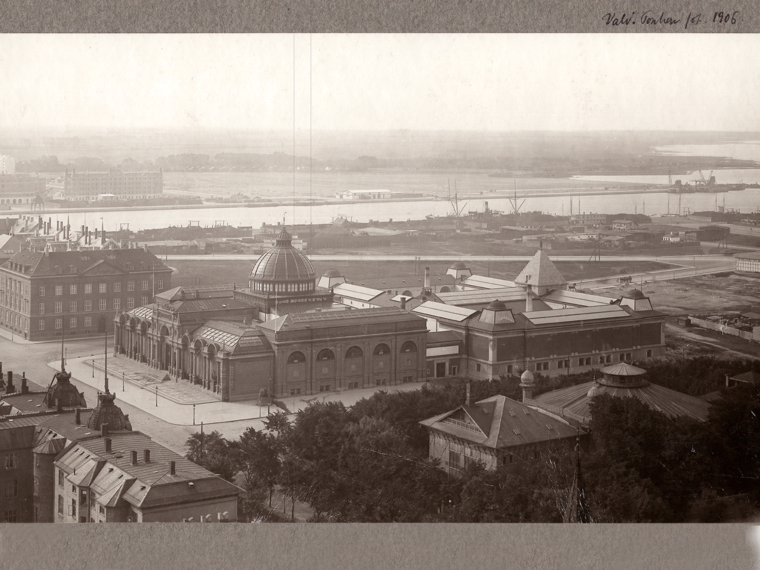
The museum complex was built in several stages and comprises Vilhelm Dahlerup’s original museum building (1897), the Winter Garden with its distinctive glass dome (1906), Hack Kampmann’s extension (1906), and Henning Larsen’s extension from 1996. Together, they form one of Denmark’s most significant and architecturally complex museum complexes.
Heritage Assessment as the Basis for the Restoration
The project is grounded in extensive archival research, documentation, and building-historical studies of the museum complex as a whole.
The studies have traced Carl Jacobsen’s original vision, the development of the buildings over time, and the alterations that have shaped the museum as we know it today. Based on this work, a comprehensive heritage assessment has been prepared, identifying the most significant cultural-historical, architectural-historical, and experiential values worthy of preservation — from the complex as a whole to individual buildings, galleries, and details.
The heritage assessment serves as a shared framework for the restoration work, providing the basis for informed decisions about what to preserve, adapt, or transform as the museum continues to evolve.
Architecture, Art and Daylight
The Glyptotek is a rare example of a museum in which art and architecture were conceived from the outset as a unified composition. Correspondence between Carl Jacobsen and the museum’s architects reveals how the placement of specific works of art and the admission of daylight were discussed as early as the design stage.
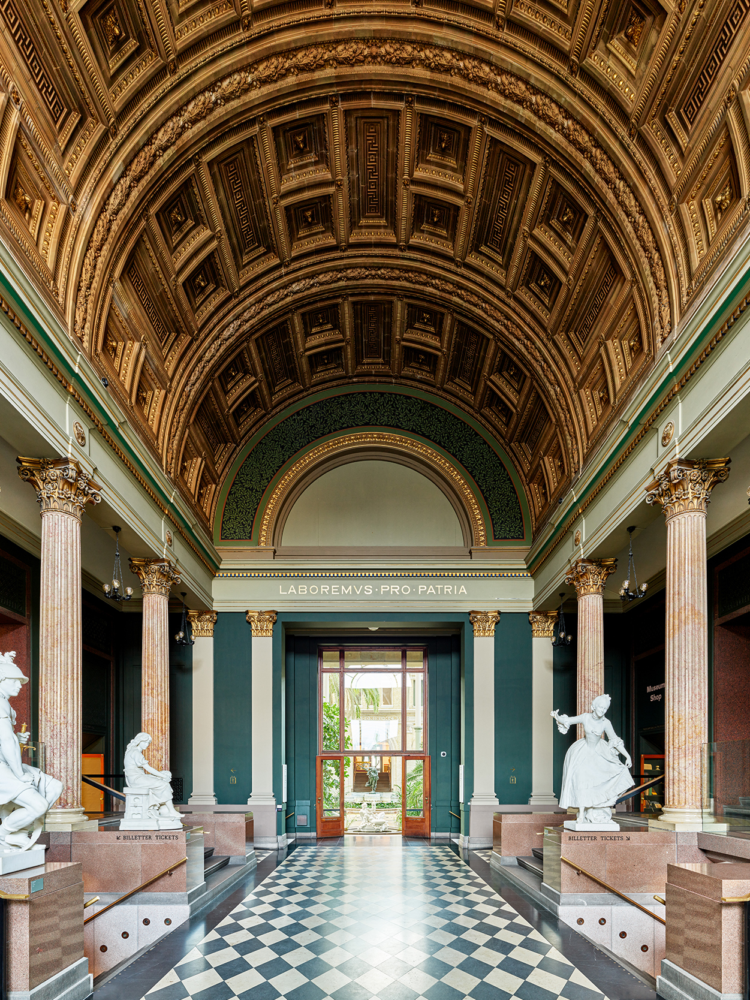
The museum’s distinctive character is experienced through its long axes, carefully choreographed sequences of spaces, rich material palette, and visual connections between the buildings. From the main entrance, visitors are led through the Entrance Hall, Winter Garden, and Banqueting Hall in a continuous spatial sequence that connects the complex as a whole.
Richness of materials and Craftsmanship
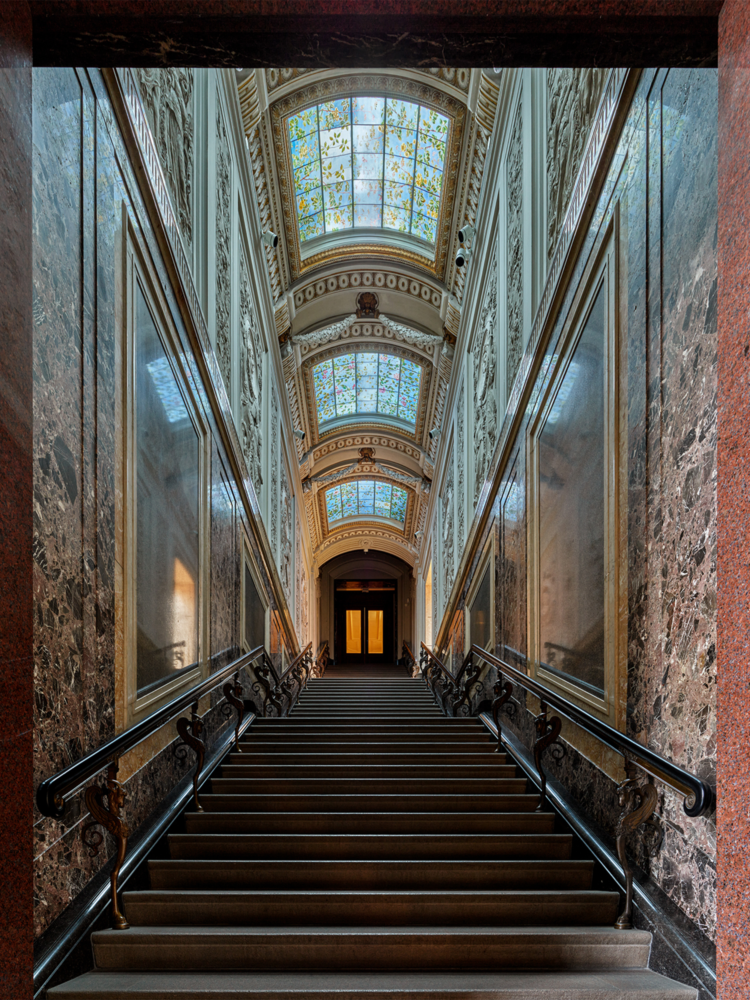
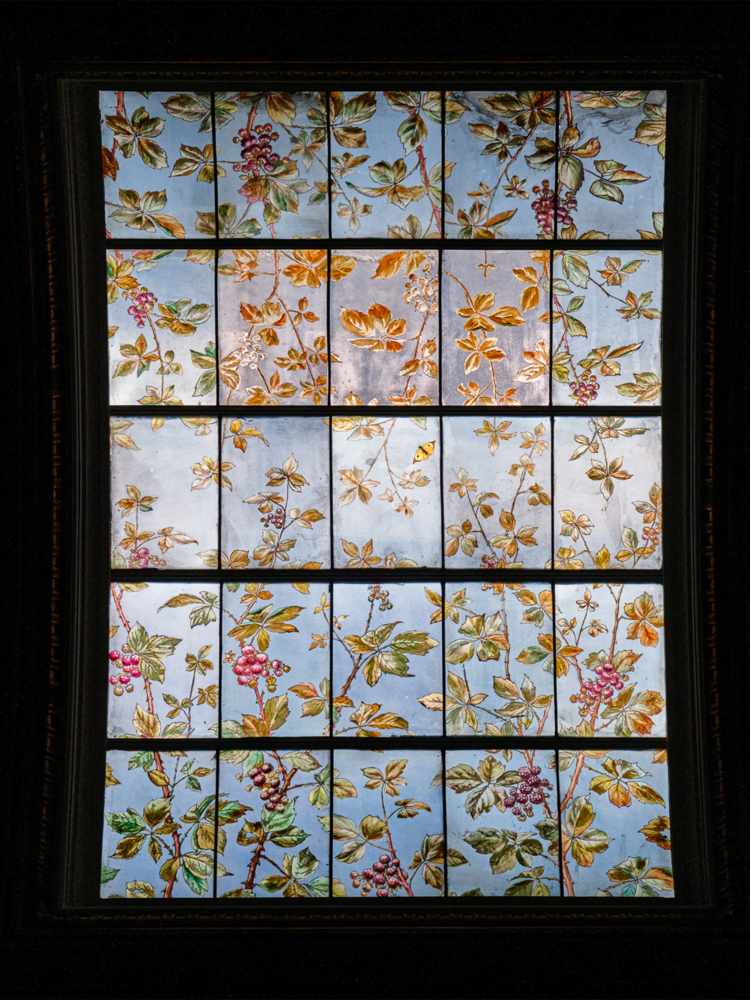
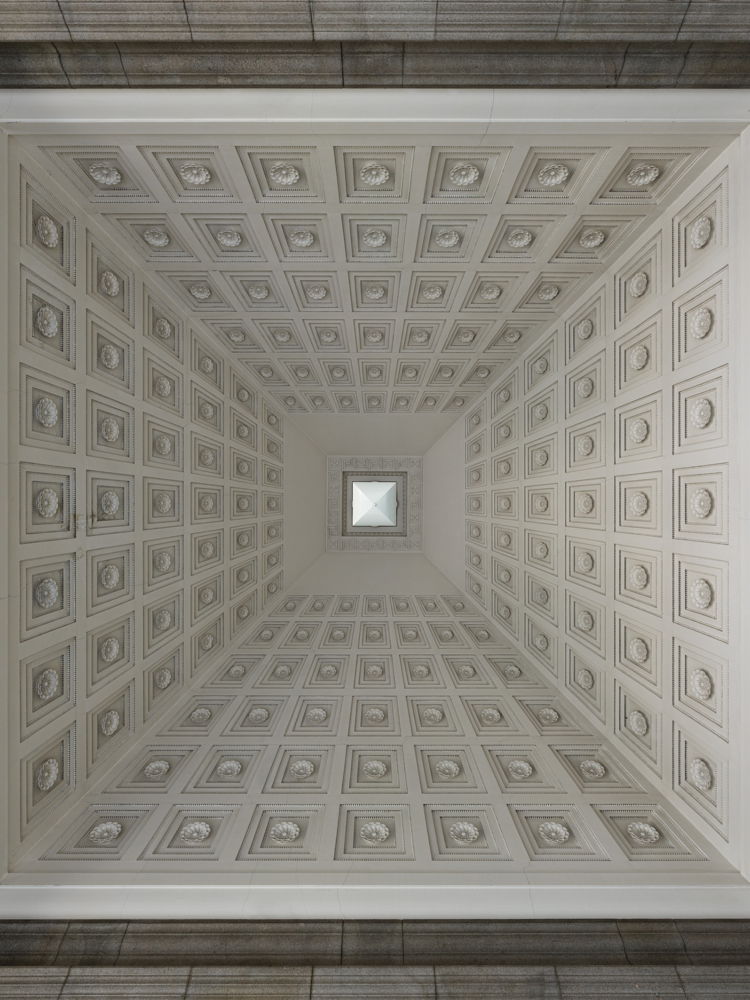
The Glyptotek was built during a period when industrialisation was opening up new structural possibilities. Behind the historic façades lie modern structures and innovative construction methods, while decorations in terracotta, stucco, marble, and mosaic were introduced as distinct architectural layers.
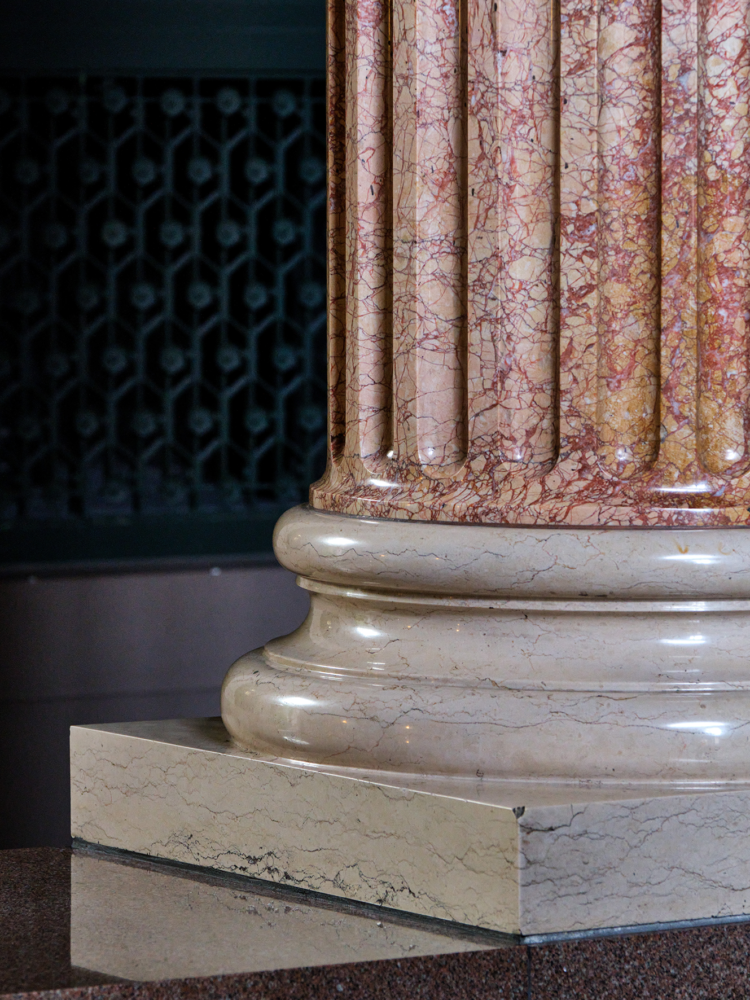
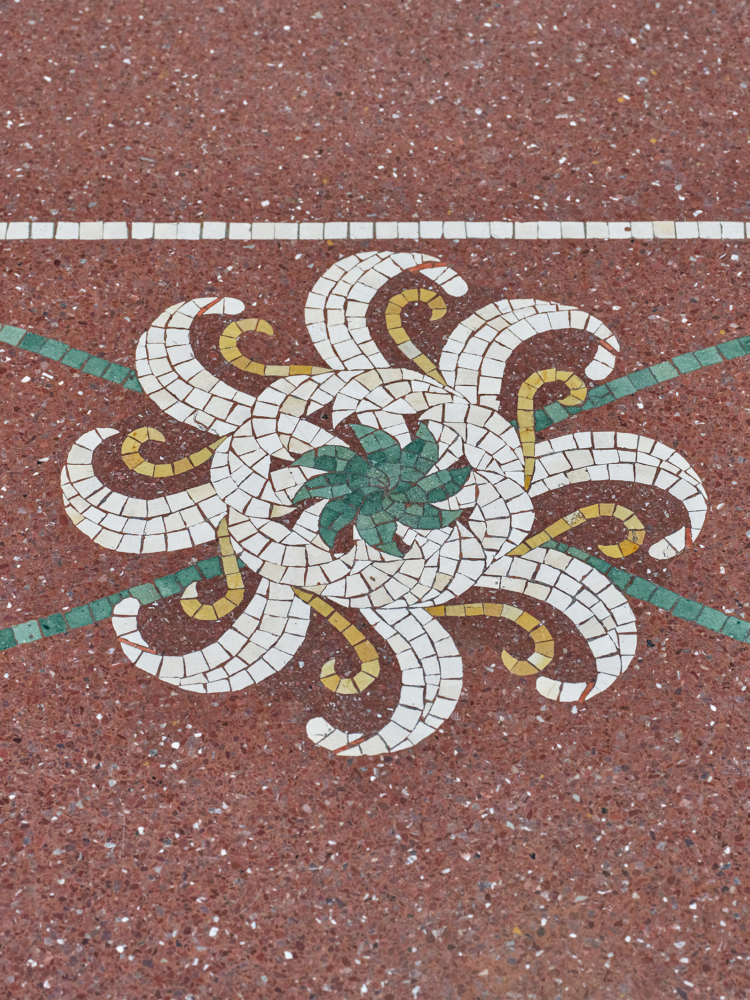
The buildings are characterised by an extraordinary richness of materials and an exceptionally high level of craftsmanship. Marble was sourced from Italy and Norway, Italian mosaic masters created the intricate floors, while Danish artists and craftsmen produced the ceilings, wall decorations, railings, and furnishings.
The Glyptotek is therefore not only a museum of art, but also a monument to the international culture and craftsmanship of Historicism, reflecting the period’s ambitious architectural ideals.
A Restoration with an Eye to the Future
The restoration of the Ny Carlsberg Glyptotek is about more than preserving buildings. The project aims to ensure that the museum’s architectural and cultural-historical values can be carried forward, continuing to provide a setting for future generations to encounter art and culture.
With respect for the existing qualities and grounded in a deep understanding of the site’s history, the project team is working to strengthen the museum’s overall narrative and ensure its continued life into the future.
Photos by: Anders Sune Berg